
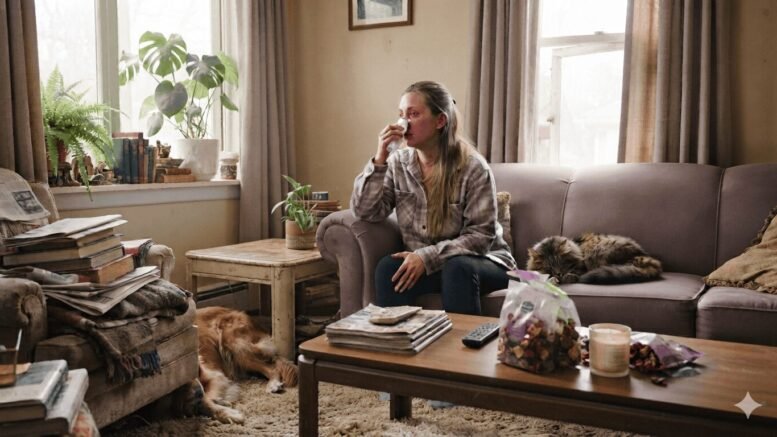
What’s Actually on the Market for Allergy Sufferers
Indoor allergen levels rise sharply during months when windows stay shut and heating or cooling systems recirculate the same air for hours at a stretch. Pollen, pet dander, dust mite debris, and mold spores settle into carpets and upholstery, then get kicked back into circulation every time someone walks across a room or flops onto a couch. Air purifiers designed for allergy relief generally fall into a few distinct categories, each built around a different filtration approach. True HEPA units remain the most common recommendation because they capture particles down to 0.3 microns with documented efficiency, while electrostatic precipitators use charged plates to attract particles rather than trapping them in disposable media.
Beyond HEPA, there’s a smaller category of units that combine filtration with activated carbon layers meant to address odors and chemical irritants alongside particulates. These hybrid machines tend to cost more, but for households dealing with smoke residue or strong pet odors in addition to allergens, the extra layer often earns its keep. UV-C light add-ons show up in some models too, marketed as a way to neutralize bacteria and viruses passing through the unit, though their actual contribution to allergy symptom relief is modest compared to mechanical filtration. Buyers should treat UV features as a secondary consideration rather than a primary selling point.
Matching Filtration Specs to Your Actual Living Space
Before comparing wattage or filter grades, it helps to look at resources that break down performance data across multiple brands side by side, and one guide covering best air purifiers for allergies does a reasonable job of organizing that information by room size and allergen type. Specifications that matter most include the Clean Air Delivery Rate, which tells you how quickly a unit can process air in a given square footage, and the filter’s MERV or HEPA classification, which indicates particle capture efficiency. A machine rated for a 150-square-foot bedroom will struggle in an open-concept living area twice that size, no matter how favorable its marketing claims look on a box.
Noise output deserves more attention than most buyers give it, particularly for units running in bedrooms overnight. A purifier rated at 65 decibels on its highest setting might technically clean air faster, but if nobody can sleep with it running, it ends up switched off or set to a low fan speed that undercuts its rated performance entirely. Filter replacement cost is another figure worth tracking over a full year rather than at the point of purchase, since some manufacturers price their units low and recoup margin through proprietary filters that need swapping every two to three months. Checking annual filter expenses against the unit’s upfront price gives a clearer picture of total ownership cost than the sticker price alone.
Narrowing the Field Based on Symptoms and Room Use
Someone dealing with seasonal pollen flare-ups has different priorities than someone managing year-round dust mite or pet dander sensitivity, and that distinction should guide which features get weighted most heavily. Pollen sufferers benefit from units placed near entry points, running on higher settings during peak allergy months, while pet owners often need continuous operation and more frequent filter changes regardless of season. Matching the purifier to the specific trigger, rather than buying whatever model has the best overall reviews, tends to produce better results for the money spent.
Occupational health research offers a useful reference point for anyone trying to gauge what constitutes meaningfully cleaner air, since workplace standards were built around measurable exposure limits rather than marketing language. The NIOSH occupational air quality standards outline thresholds for particulate exposure in enclosed environments, and while home use doesn’t require industrial-grade equipment, those benchmarks give a useful frame for understanding why certain filtration ratings matter more than others. A unit that meets a recognized efficiency standard is simply a safer bet than one relying on vague terms like “medical grade” without any backing data.
Room placement affects outcomes nearly as much as the unit itself. A purifier tucked behind furniture or in a corner with restricted airflow won’t perform to its rated specifications, since intake and exhaust vents need open space to function properly. Placing the unit closer to the center of a room, or at minimum several feet from walls and large furniture, allows it to cycle air more effectively and reach its advertised clean air delivery rate. For multi-room households, a single large-capacity unit in a shared living space often outperforms several small units scattered across bedrooms, simply because consolidated airflow covers more total square footage per dollar spent. Testing a unit for a few weeks before committing to a second one is a practical way to confirm it actually addresses the specific symptoms driving the purchase in the first place.