


Unfortunately, healthcare deserts are common even in the most developed countries. Some areas lack hospitals, urgent care centers, pharmacies and even family practitioners without having to travel an unreasonable distance. Medical advancements strive to mend gaps in infrastructure or staff with next-generation technologies. These are the most prominent players in mending the medical desert.
Telemedicine
Medical deserts may not have doctors’ offices, but they can have cellular or internet connectivity. This makes it possible to have remote consultations and appointments with professionals from a distance. Telemedicine’s accessibility also promotes equality, providing resources to those with lower incomes or disabilities. These visits are typically cheaper than in-person visits by up to $186 per visit and potentially save 2.9 hours weekly on travel.
Remote Patient Monitoring (RPM)
Patients with at-home medical devices or other surveillance technology can rest easier knowing their doctors can view their status within the range of RPM equipment. Doctors can track vital signs, blood pressure, heart rate and activity, and numerous other critical metrics to ensure treatment plans have the desired effect.
For example, individuals with internal defibrillators can connect to a device that notifies doctors every time an event happens, immediately contacting emergency services and scheduling appointments when it matters most.
Mobile Health Clinics
Imagine telemedicine on wheels, and patients have access to mobile health clinics. Around 88.1% of people in the U.S. stated they did not have a reliable provider, and this revolution could help. Mobile clinics come to patients, essential in communities with minimal transportation or accessibility options. The innovation also assists communities with a high average age, giving widespread access at their front door without worrying about individual transit.
Digital Health Platforms
People no longer need to wait to hear about test results or view data until their next appointment, which may be unknown in medical deserts. Digital health apps connected to medical providers allow near-constant information visibility and open communications with experts.
Many of these platforms also have countless free resources, such as financial literacy, insurance info and self-management tools for mental health. The features in these apps are always expanding, making it one of the most exciting ways to prioritize health and wellness agency.
Electronic Health Records (EHRs)
While many medical facilities still use paper records, EHRs make sharing information more convenient and expeditious. Consider how long it used to take to get a paper referral to a specialist, and now, a primary care physician can do this virtually without effort from the patient. It stops people from spending time and money traveling distances simply to receive a potential denial.
Additionally, it removes the frustration and time associated with consultations. Transmitting in-depth health records can happen within seconds instead of forcing patients to relay the same information ad nauseam to several doctors. The patient-focused mindset makes them feel more cared for when EHRs tell the story without exhausting the person.
Artificial Intelligence (AI)
AI has been intertwined with the medical industry for years before it became commonplace, but it is constantly demonstrating how useful it is as a remote technology. Algorithms can take health data and personalized metrics about patients and assist with diagnostics. It could increase treatment effectiveness because it is more considerate of individual circumstances.
Some studies indicate accuracy rates of at least 85.7% over 52,000 individuals. The precision is invaluable for health care experts who are often overworked and need technological supplements to manage patient loads.
Drones
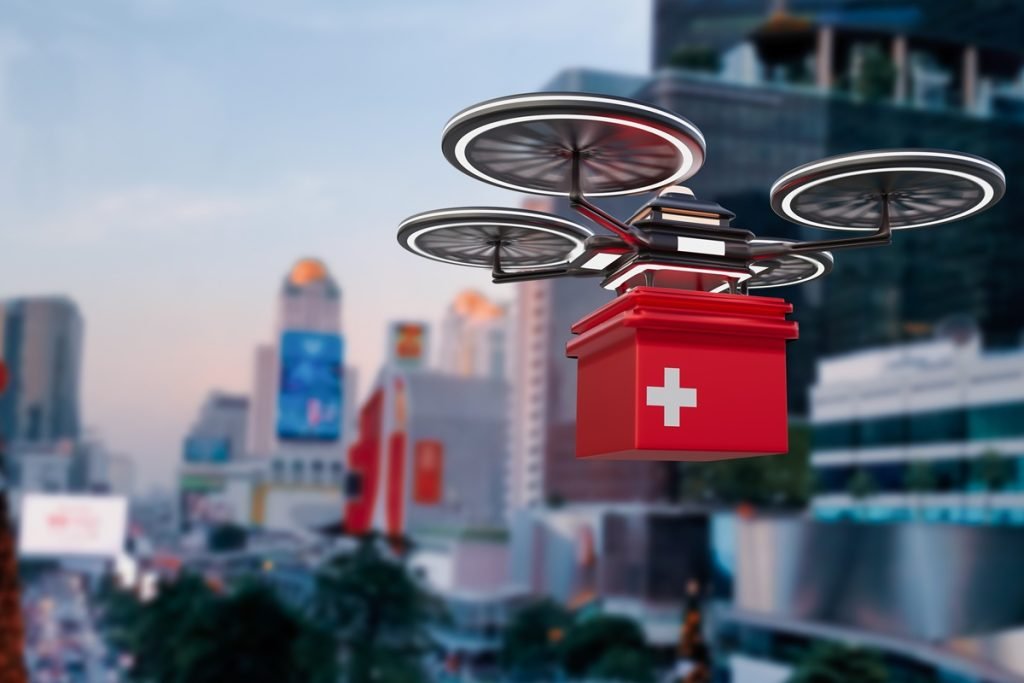
Health care deserts are sometimes in suburban or unexpected areas, but they are typically in remote locations. It may take too long to deliver necessary supplies to in-need patients on the ground, and drones circumvent this pain point. Operators can remotely pilot them, sending over everything from prescriptions to vaccines. Vehicles can skip potential obstacles and delays associated with land travel, making access to lifesaving resources more timely.
Online Pharmacies
An estimated 48.4 million people in the U.S. do not have sufficient pharmacy access, and the situation is even more severe in other nations. However, many people have an internet connection, which opens the world to online storefronts. Doctors can consult with a patient virtually, send a digital script to the retailer and get it to the person’s doorstep within days. Many online options also have discounts to expand access to necessary care.
Medical Aid from Afar
Health care deserts may persist for decades or centuries, but medical accessibility is ballooning because of technology. These resources are only a few foundational elements of advanced medicine, with caring health care experts seeking more ways to tend to their communities. The future is optimistic, especially as these assets continue to expand their scopes and connectivity options, becoming one of the fastest, cheapest and most equitable ways to expand health care in history.
By Zac Amos, ReHack